

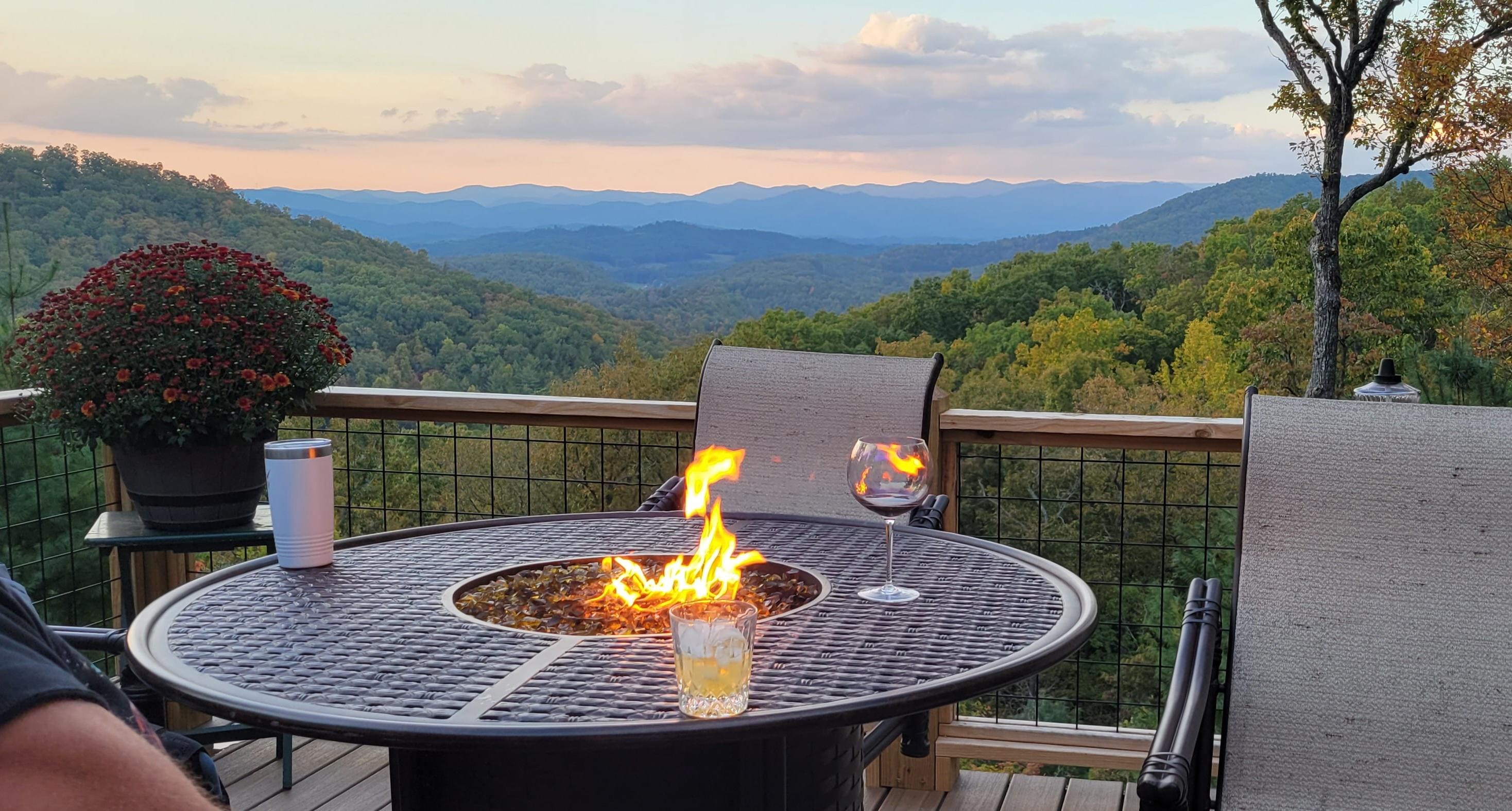
Almost every buyer meets your home online before they ever drive the gravel road, which makes the photographs the single most important first impression you'll make. Real estate photography for a mountain home is its own craft: capturing the long-range view at the right hour, using a drone to show acreage and lake frontage, shooting twilight frames that make the windows glow, and timing the shoot to the season that flatters the property. Get the media right and the home earns more showings from the right buyers; get it wrong and even a wonderful property can be scrolled past. Here's what makes mountain and lake listings photograph beautifully.
Key Takeaways
- Buyers see the photos before the home, so strong media drives the first showings.
- The view and the setting are the product — capture them at the best light and angle.
- Drone photography shows acreage, lake frontage, and the home in its landscape.
- Golden hour and twilight shots make mountain and lake homes look their warmest.
- Prepare and stage before the shoot so the photos match what buyers find in person.
Why photography matters more here
In a market where so many buyers shop from out of state, the listing photos do the heavy lifting that a quick drive-by might do in a city. People sort through dozens of listings online and decide in seconds which ones earn a closer look, so the images are effectively your home's audition. For a mountain or lake property, that's both an opportunity and a responsibility: the setting is often the most compelling thing about the home, and it deserves to be shown at its best. Strong, honest photography draws the right buyers to schedule a showing, while flat, dim, or cluttered images can bury a great property in the scroll. This isn't about tricks or distortion — it's about capturing what's genuinely beautiful so the people most likely to fall for the home actually see it. In this market, good media isn't a luxury; it's how a listing gets discovered.
Capturing the view and the light
For most mountain and lake homes, the view is the headline, and light is everything. A few principles make the difference:
- Golden hour — the soft, warm light just after sunrise or before sunset flatters both the home and the long-range view far more than harsh midday sun.
- Twilight shots — a dusk frame with the interior lights glowing and the sky still colored is the classic hero image for a mountain or lake home.
- Frame the view — shoot interior rooms toward the windows that capture the best sightlines, so buyers feel the connection to the outdoors.
- Clean glass — spotless windows, inside and out, let the view read clearly rather than through a haze.
Timing the shoot to the light, rather than squeezing it into a convenient midday slot, is one of the highest-impact choices you can make.
The case for drone photography
Few tools have changed mountain real estate marketing like the drone. From the air, a property tells a story that ground-level photos simply can't: the shape and extent of the acreage, the home nestled into its wooded setting, the length of lake frontage and the dock on the water, the long ridgelines rolling into the distance. For a lakefront listing, an aerial frame showing the home, its frontage, and the cove in one image instantly communicates value. For an acreage property, a drone reveals the land's size and privacy in a way a fence-line photo never could. Aerial shots also help buyers understand access and orientation — how the driveway approaches, which way the home faces, what surrounds it. When the setting is a major part of the appeal, as it usually is here, drone photography turns that setting into something a buyer can grasp at a glance. It has become an expected part of strong mountain and lake listing media.
Prepare before the camera arrives
The best photography in the world can't hide an unprepared home, and the sequence matters: finish the prep and staging before the photographer shows up, not after. That means the repairs are done, the decks are washed and furnished, the interior is decluttered and bright, the windows are clean, and the sightlines to the view are open. There's a trust dimension, too — the photos should match what buyers find when they arrive, so honest, well-prepared images that reflect the real home keep the process moving and avoid disappointment at the showing. Think through the shot list in advance: the hero exterior, the view from the main living spaces, the outdoor living areas staged as rooms, the primary suite, and the aerial frames. If the property is a second home that sits empty, build in time to air it out, run the systems, and refresh it so it photographs as a place to live rather than a house that's been closed up. Preparation and presentation are two halves of the same job.
Timing the shoot to the season
Season shapes mountain photography as much as it shapes the market. The right timing depends on the property:
| Season | What it captures best |
|---|---|
| Late spring & summer | Full lake levels, green grounds, outdoor living in use |
| Fall | Peak color framing view homes and cabins |
| Winter | Bare-tree long-range views; cozy interior twilight shots |
If a listing spans seasons, capturing the property in more than one — or keeping a strong view shot from the flattering season — helps buyers see it at its best year-round.
Beyond photos: video, tours, and the full media package
Still photography is the foundation, but today's strongest mountain and lake listings often go further, and it's worth understanding the full toolkit. A short video walkthrough or aerial video can convey the flow of a home and the sweep of its setting in a way stills can't, giving distant buyers a feel for how the spaces connect and how the property sits in its landscape. Interactive or 3D virtual tours let serious out-of-state buyers explore a home at their own pace before committing to the drive, which can mean better-qualified showings and fewer wasted trips. Twilight aerials, seasonal photo updates, and a well-organized set of images that tells the property's story all add up to a listing that stands out in search results and listing alerts. The goal throughout is the same: present the home honestly and attractively so the right buyers can picture themselves there. In a market where so much of the audience is shopping from a screen hours away, this fuller media package isn't about gloss for its own sake — it's about closing the distance between an online listing and an in-person showing, and making sure a property's genuine strengths come through clearly. It's one more way thoughtful presentation turns interest into showings, and showings into the right offer.
None of these tools replaces good fundamentals — a clean, well-prepared, well-lit home photographed at the right hour — but layered on top of that foundation, they help a listing reach and convince more of the right buyers. The aim is always to let a genuinely appealing property be seen clearly by the people most likely to love it, wherever they happen to be searching from. In a market this dependent on out-of-area buyers, that reach is often the difference between a quick, strong sale and a listing that lingers.
Frequently Asked Questions
Why is professional photography important for a mountain home?
Because most buyers see the photos before the home and decide in seconds whether to look closer. For mountain and lake properties, where the setting is the draw, strong media is what earns the first showings.
Is drone photography worth it for a listing?
For acreage and lakefront properties, usually yes. Aerial shots show the land's size, the lake frontage, the home in its setting, and how it's accessed — context that ground-level photos can't convey.
What time of day is best for listing photos?
Golden hour — just after sunrise or before sunset — flatters both the home and the view, and a twilight exterior with the lights glowing makes a striking hero image. Harsh midday sun is the least flattering.
Should I prepare the home before the photographer comes?
Yes. Finish repairs, declutter, clean the windows, stage the outdoor spaces, and open the sightlines before the shoot, so the photos reflect the real home and match what buyers find at the showing.
Does the season affect listing photos?
It does. Lake and outdoor-living homes shine in summer, view homes and cabins in fall color, and winter reveals long-range views through bare trees. Timing the shoot to the property's strengths helps it show its best.
Marketing your home with The DuPree Real Estate Group
Great photography is one piece of a larger marketing approach tuned to mountain and lake properties. The DuPree Real Estate Group's specialist model handles the media, staging guidance, and contract-to-close details so your home is shown at its best. When you're ready, reach out to Bonnie DuPree to talk through your property and a plan, or explore the local market to see how comparable homes are presented.
The DuPree Real Estate Group is pledged to the letter and spirit of U.S. policy for the achievement of equal housing opportunity. Bonnie DuPree, REALTOR® · RE/MAX Town & Country · Each Office Independently Owned and Operated.
Check out this article next