
A home inspection on a mountain home in Murphy, NC starts with North Carolina's standard inspection, which covers the house itself: structure, roof, exterior, plumbing, electrical, heating, air conditioning, interiors, insulation and ventilation. Because many homes here sit on private wells and septic systems, on sloped wooded lots and along long driveways, most mountain buyers add a few specialized checks: a well flow and water-quality test, a septic inspection, a radon test, a wood-destroying insect report, a chimney inspection and a survey. Here is what each one covers and how they fit into due diligence.
Key Takeaways
- North Carolina licenses home inspectors, and its standards of practice list ten areas a standard inspection covers, from the foundation to the attic.
- The standard inspection does not test well water quantity or quality, septic systems, radon, pests or the inside of chimney flues, so mountain buyers usually add those as separate inspections.
- Inspectors must provide a written contract before the inspection, and the report arrives by the agreed date or within three business days.
- In a North Carolina purchase, inspections happen during the due diligence period, so scheduling them in the first days keeps your options open.
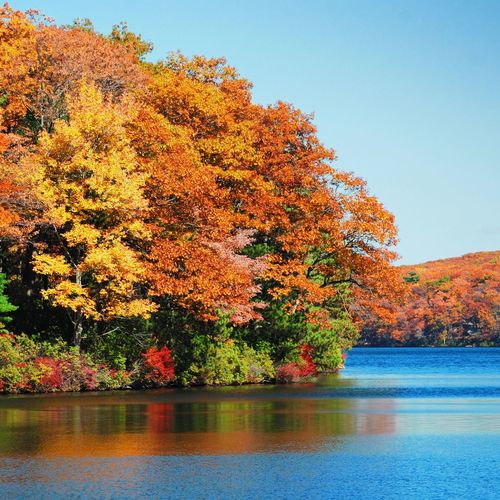
- Fall is a wonderful season to inspect here: thinning leaves give clear views of roofs, gutters, grading and the lay of the land.
What does a standard home inspection cover in North Carolina?
I'm Bonnie DuPree, a REALTOR® with RE/MAX Town & Country in Murphy and an Accredited Buyer's Representative (ABR), and the inspection is one of my favorite parts of a purchase. It's when a buyer gets to know a home from the crawlspace to the ridge line.
In North Carolina, home inspectors are licensed by the North Carolina Home Inspector Licensure Board, which publishes standards of practice and a directory where you can look up an inspector's license. Under the current rules, effective June 1, 2026, a standard inspection covers ten areas:
- Structural components: foundation, floors, walls, columns or piers, ceilings and roof structure.
- Exterior: siding, doors, windows, decks, eaves, driveways, walkways and retaining walls, plus grading and drainage as they affect the house.
- Roofing: coverings, gutters and drainage, flashing, skylights and chimneys from the outside.
- Plumbing: water supply and distribution, drains, the water heater and any sump pump.
- Electrical: the service entrance and panels, a representative sample of outlets and fixtures, GFCI protection and smoke and carbon monoxide alarms.
- Heating and air conditioning: permanently installed systems, controls and distribution.
- Interiors: walls, ceilings, floors, stairs, railings, cabinets, doors and windows.
- Insulation and ventilation: attic and foundation insulation, and kitchen, bath and laundry venting.
- Built-in kitchen appliances: dishwasher, range, cooktop, oven, disposal and hood.
The standards also ask inspectors to enter crawlspaces and attics when access allows, which matters on the many mountain homes built over a crawlspace. You'll sign a written contract before the inspection, and the report arrives by the date you agree on, or within three business days if no date is set.
Which add-on inspections do mountain homes near Murphy often get?
The North Carolina standards leave out on-site water supply quantity and quality, on-site waste disposal systems, pests such as wood-damaging insects, the interior of chimney flues and detached buildings. Around Murphy, those are exactly the areas buyers love to learn more about. My well and septic primer for mountain buyers goes deeper on those two systems. Here is the full lineup many of my buyers choose:
| Inspection | What it looks at | Who performs it |
|---|---|---|
| Standard home inspection | The ten standard areas of the house, including crawlspace and attic | NC-licensed home inspector |
| Well flow test | How much water the well reliably produces | Well contractor or qualified well inspector |
| Well water-quality test | What is in the water and any treatable conditions | Certified laboratory or the county health department |
| Septic inspection | Tank, drain field and how the system is working; compare with the permit on file | NC-certified on-site wastewater inspector; permit records at county environmental health |
| Radon test | Indoor radon level, a naturally occurring gas | Certified radon professional |
| Wood-destroying insect report | Signs of termites and other wood-destroying insects | Licensed structural pest control company |
| Chimney inspection | The inside of the flue, liner and firebox | Chimney sweep or chimney specialist |
| Retaining walls and drainage | Larger walls, slopes and how water moves across the lot | Licensed structural or geotechnical engineer |
| Survey | Boundaries, easements, driveway location and access | NC-licensed professional land surveyor |
Radon deserves a quick word because it's so simple to check. The North Carolina Radon Program recommends that every home be tested, including homes with crawlspaces, homes on a slab and manufactured and modular homes, and it notes that 77 of North Carolina's 100 counties have indoor radon levels above the 4 pCi/L action level. A test fits neatly into due diligence.
On a hillside lot, the driveway and the land around the house are part of the home. The standard inspection looks at driveways and retaining walls as they relate to the house, and a survey shows where the drive sits and how the property is reached. For sloped lots, my guide to buying land to build in the NC mountains explains how slope, septic and access work together.
How do inspections fit into the North Carolina due diligence period?
In North Carolina, the standard residential purchase contract gives you a due diligence period, a window you and the seller agree on for learning everything you'd like to know about the property. The North Carolina Real Estate Commission describes due diligence as an opportunity to gather information about the property and the surrounding area so you can make an informed decision. Inspections, the survey, the appraisal and your loan approval all happen inside that window. In the standard contract, you can generally end the contract for any reason before the period ends, which is why timing matters so much.
The due diligence fee, earnest money and repair requests all follow the terms of your specific contract, and closings in North Carolina are handled by attorneys, so a real estate attorney is the right person for legal questions. If any of these terms are new to you, my Murphy, NC real estate glossary explains due diligence, the due diligence fee and the septic permit in plain language.
As an ABR, my job is to keep that calendar working for you. I encourage buyers to book inspections in the first days of due diligence, so every report is back with time left to read it, ask questions and talk through next steps.
Why is fall a wonderful time for a mountain home inspection in Murphy, NC?
October and November are generous months for getting to know a mountain home. Here is what the season shows so clearly:
- Roofs and gutters. As leaves thin, the roof surface, flashing and gutters are easy to see from the ground and the drive, and falling leaves show how the gutters carry water away.
- Grading and drainage. Fall rains let you and your inspector see how water moves across the lot and away from the foundation.
- Slopes and retaining walls. With the understory opening up, walls, steps and the shape of the hillside come into full view.
- The heating system. Cool mornings are a natural moment to see the furnace, heat pump or fireplace in action.
I always enjoy walking a property with buyers in the fall, when the land reads almost like a map.
How do you schedule inspections on a Murphy, NC mountain home?
Here are the steps I walk my buyers through:
- Line up inspectors before you write an offer. Look up home inspectors in the state licensing board's directory and ask what each one includes and what they refer out.
- Note the due diligence end date the day your contract is signed, and plan every inspection with time to spare.
- Book the standard home inspection first, since its findings may point you toward a specialist, such as an engineer for a large retaining wall.
- Request the septic permit from county environmental health and compare it with the home's bedroom count and layout.
- Schedule the well and septic inspections together, and ask whether the septic tank will be pumped so it can be seen fully.
- Order the radon test and wood-destroying insect report, and ask your lender whether your loan calls for any specific reports.
- Add the chimney inspection and survey if the home has a fireplace or wood stove, or if the boundaries, driveway or access need confirming.
- Read every report, then talk it through with me and, for legal questions, with your closing attorney.
What if you're selling a mountain home this fall?
Sellers can put the same knowledge to work before a buyer ever arrives. A pre-listing inspection lets you see the home the way an inspector will and choose which items to handle ahead of time. My post on pre-listing inspections and the repairs that matter here walks through that process.
Clear, complete disclosures give buyers confidence from the first showing, especially on homes with wells, septic systems or shoreline. My guide to disclosures for well, septic and lakefront properties covers what sellers typically gather. My team, The DuPree Real Estate Group, helps sellers gather service records and permits ahead of time.
Frequently Asked Questions
What does a standard home inspection cover in North Carolina?
Under the North Carolina Home Inspector Licensure Board's standards of practice, a standard inspection covers structural components, exterior, roofing, plumbing, electrical, heating, air conditioning, interiors, and insulation and ventilation, including crawlspaces and attics when access allows.
Does a home inspection in North Carolina include the well and septic system?
No. The North Carolina standards leave out on-site water supply quantity and quality and on-site waste disposal systems, so mountain buyers usually add a well flow test, a well water-quality test and a septic inspection by a certified on-site wastewater inspector.
Should I test a mountain home near Murphy for radon?
The North Carolina Radon Program recommends that every home be tested, including homes with crawlspaces and homes on a slab. A radon test by a certified radon professional fits easily into your due diligence period.
When should I schedule inspections when buying in North Carolina?
Schedule them early in your due diligence period, ideally in the first few days, so every report is back with time to review it, ask questions and decide on next steps before the period ends.
Is fall a good time for a home inspection in Murphy, NC?
Yes. As leaves thin in October and November, roofs, gutters, grading, retaining walls and property lines are easy to see, and cool mornings make it natural to see the heating system in action.
Your Local Expert
I'm Bonnie DuPree, REALTOR®, founder of The DuPree Real Estate Group at RE/MAX Town & Country. Based in Murphy, NC — the county seat of Cherokee County — I've helped buyers and sellers across these mountains and lakes since 2007. As an Accredited Buyer's Representative (ABR), I guide buyers through every step of a mountain purchase, from the first showing through inspections, due diligence and closing, in Murphy, Andrews, Brasstown, Hayesville, Robbinsville, Blairsville, Blue Ridge and Hiawassee.
Let's get to know your next mountain home together
A thorough inspection is how a house you love becomes a home you understand, from the well to the roof line. When you're ready to start, browse homes for sale around Murphy and save the ones that catch your eye this fall.
I'd love to help you plan your inspections and your due diligence calendar. Reach out to me directly, or call me at (828) 361-1027. This post is general information, not legal advice; for contract questions, please talk with a North Carolina real estate attorney.
The DuPree Real Estate Group is pledged to the letter and spirit of U.S. policy for the achievement of equal housing opportunity. Bonnie DuPree, REALTOR® · RE/MAX Town & Country · Each Office Independently Owned and Operated.
Check out this article next