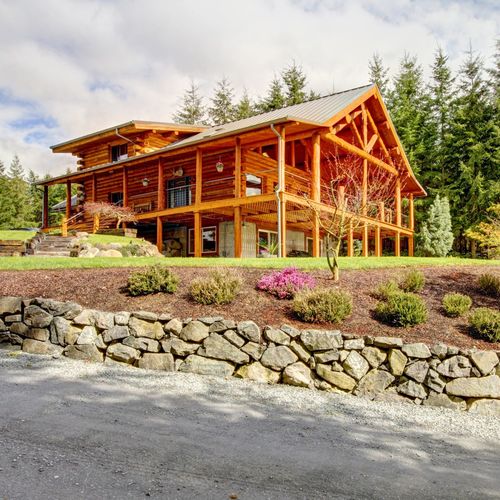


A mountain home near Murphy, NC stays happiest with a little care each month: HVAC service in spring and fall, gutters cleared after the leaves come down, a chimney sweep before fire season, crawlspace moisture checks, a yearly well water test for bacteria, septic inspections at least every three years, and regular deck, driveway and pest check-ins. Spread across the calendar, none of it feels like a big project.
Key Takeaways
- NCDHHS suggests testing private well water for total and fecal coliform bacteria every year, and for heavy metals, nitrates, nitrites, lead and copper every two years.
- EPA says the average household septic system should be inspected at least every three years, and household tanks are typically pumped every three to five years.
- Fall is gutter, chimney and heating season in the hardwood hollows around Murphy, Hiwassee Lake and Lake Chatuge.
- Spring is for HVAC cooling service, deck care, driveway drainage and a fresh look at the crawlspace.
- Lake homes add a seasonal rhythm of their own, since TVA typically lowers its reservoirs by January 1 and begins filling tributary lakes in mid-March.
Why does a mountain home near Murphy love a monthly routine?
I'm Bonnie DuPree, a REALTOR® with RE/MAX Town & Country here in Murphy and a Resort & Second-Home Property Specialist (RSPS). Homes in our corner of the North Carolina mountains sit among hardwoods, on slopes and ridges, along creeks and around TVA lakes, and that setting is a big part of what makes living here so lovely. It also gives each season its own small to-do list.
Many homes in Cherokee County run on a private well and a septic system, many have a crawlspace, and plenty have a gravel driveway, a wraparound deck or a wood-burning fireplace. Each one does best with a little regular attention. That's why I like to think of home care as a calendar rather than a checklist: a handful of easy tasks each month keeps everything humming, and the bigger services land at the right time of year.
This post is the hub for my home care guides. If you'd like a deeper look at the late-summer season, my end-of-summer home maintenance checklist for a mountain home walks through it step by step. For anything electrical, structural, mechanical or on the roof, I always encourage owners to call licensed local professionals.
What's on a month-by-month maintenance calendar for Murphy, NC?
Here is the whole year on one page, easy to print and stick on the refrigerator. Timing shifts a little with elevation and weather each year, so treat it as a friendly guide.
| Month | Inside | Outside | Lake & land extras |
|---|---|---|---|
| January | Radon test; change HVAC filter | Check for ice at gutters and downspouts | Check dock cables at winter pool |
| February | Look over the crawlspace and pipes | Walk the roofline after winter wind | Plan dock or shoreline projects |
| March | Test smoke and CO alarms | Clear driveway ditches and culverts | Adjust dock lines as the lake fills |
| April | Book HVAC cooling service | Clean and inspect the deck | De-winterize the boat with your technician |
| May | Yearly well water test | Seal or stain the deck in dry weather | Refresh dock boards and hardware |
| June | Check crawlspace humidity | Pest check around the foundation | Trim brush along paths and the drainfield edge |
| July | Change HVAC filter; clean dryer vent | Wash windows and screens | Look over dock wiring with an electrician |
| August | Review septic inspection or pumping date | Trim limbs away from the roof | Grade and top up gravel drives |
| September | Book HVAC heating service and chimney sweep | Seal gaps at doors, vents and siding | Book boat winterization |
| October | Test smoke and CO alarms | Stack firewood away from the house | Adjust dock lines as the lake lowers |
| November | Insulate exposed pipes | Clean gutters after leaf fall | Drain hoses and outdoor spigots |
| December | Set thermostats for away time | Clear leaves from drains and walkways | Check that the boat is covered and stored |
What should you do in winter (December to February)?
Winter is the calm season, mostly about keeping the house cozy and the water flowing. Insulated pipes, a steady thermostat and a dry crawlspace do most of the work. If you split your time between Murphy and another home, my printable checklist for winterizing a second home in Murphy covers water lines, thermostats and who to line up locally before you head out.
January is also a natural month for a radon test. It's a simple test you set out in the lowest lived-in level of the home, and the NC Radon Program has offered free residential test kits during National Radon Action Month in January, while supplies last. Its website lists the current offer and county-level information. If a result comes back at 4 picocuries per liter or higher, a certified radon mitigation professional can explain your options.
- Crawlspace. Peek in for standing water, damp insulation or a sagging vapor barrier, and check any dehumidifier or sump pump.
- Roof and gutters. After a windy spell, walk the roofline and look for loose shingles or gutter sections pulled away by ice.
- Planning. Winter is a lovely time to get quotes for spring projects while contractors' calendars are open.
What should you do in spring (March to May)?
Spring in the mountains brings rain, new growth and the first porch evenings, so this season focuses on water moving away from the house and on getting the cooling system ready. Book your HVAC cooling service early, because spring and fall are when HVAC technicians around Murphy fill their calendars.
Driveway drainage matters on sloped lots. Clear leaves and debris from ditches, culverts and any drains so spring storms move through easily, and have a grading or gravel contractor refresh a washboarded gravel drive. The same goes for downspouts: extensions that carry water well away from the foundation help keep the crawlspace dry.
May is a good month for the yearly well test. The NCDHHS private well testing guidance suggests testing for total and fecal coliform bacteria and checking the wellhead once a year, testing for heavy metals, nitrates, nitrites, lead and copper every two years, and testing for pesticides and volatile organic compounds every five years. The county health department's Environmental Health program can explain how to have your water tested.
My well and septic primer for mountain properties explains how both systems work.
- Deck. Clean it, check railings, stairs and fasteners, and plan staining or sealing for a dry stretch.
- Alarms. Test smoke and carbon monoxide alarms and replace batteries or units as the manufacturer directs.
- Lake. TVA typically begins filling tributary lakes like Hiwassee and Chatuge in mid-March, so readjust dock lines and ramps as the water comes up.
What should you do in summer (June to August)?
Summer is the season to enjoy the house. Warm, humid air is the main thing to manage, so keep an eye on crawlspace humidity and run a dehumidifier if your home has one. A pest control company can do a seasonal check around the foundation, decks and crawlspace, which is a smart routine for any home tucked into the woods.
Late summer is a good time to look at the septic calendar. EPA's SepticSmart guidance says the average household septic system should be inspected at least every three years by a septic service professional, household tanks are typically pumped every three to five years, and alternative systems with mechanical components generally need attention once a year. EPA also suggests keeping vehicles off the drainfield and planting only grasses and ground covers over it.
Trimming limbs away from the roof keeps a wooded lot looking its best, too. My post on curb appeal in a wooded setting has ideas for making a home among the trees feel welcoming from the road.
What should you do in fall (September to November)?
Fall is the busiest and most beautiful maintenance season around Murphy, when the hardwoods drop their leaves on roofs, gutters and drives. Clean gutters once most of the leaves are down, and consider asking a gutter company about leaf guards if your home sits under tall oaks and poplars.
- Heating. Book HVAC heating service in early fall, and change filters on the schedule your technician suggests.
- Chimney. Have a certified chimney sweep inspect and clean a wood-burning fireplace or stove before the first fire of the season.
- Sealing. Seal gaps around doors, vents, pipes and siding to keep warm air in and curious critters out.
- Water. Drain garden hoses and outdoor spigots before the first hard freeze.
Lake owners have a fall rhythm of their own as TVA lowers the reservoirs toward winter levels, typically by January 1. My boat and dock winterization guide for lake homes near Murphy covers the boat, dock lines, floats and wiring.
If you're buying this season, a home inspection is a wonderful way to learn a home's systems before your first year of care. My post on what a home inspection covers on a mountain home in Murphy explains the standard inspection and the add-ons many mountain homes get.
Frequently Asked Questions
What maintenance does a mountain home need each season?
In winter, keep pipes and the crawlspace warm and dry and test for radon. In spring, service the air conditioning, clear driveway drainage, care for the deck and test the well. In summer, manage humidity, schedule pest checks and review the septic calendar. In fall, service the heat, sweep the chimney, clean gutters after leaf fall and drain outdoor spigots.
How often should I test my well water in North Carolina?
NCDHHS suggests testing for total and fecal coliform bacteria every year, heavy metals, nitrates, nitrites, lead and copper every two years, and pesticides and volatile organic compounds every five years. The Environmental Health program at your local health department can explain how to have your water tested.
How often should a septic tank be pumped?
EPA says the average household septic system should be inspected at least every three years by a septic service professional, and household tanks are typically pumped every three to five years. Alternative systems with mechanical components generally need attention once a year.
When should I clean gutters on a mountain home near Murphy?
Late fall, once most of the hardwood leaves are down, is the main gutter cleaning of the year, with a second look in spring. Homes under tall trees may enjoy leaf guards, and a gutter company can suggest what fits your roof.
How do I test my home for radon in North Carolina?
A radon test kit is set out in the lowest lived-in level of the home and then sent to a lab. The NC Radon Program has offered free residential test kits in January, while supplies last, and its website lists current offers and next steps.
Your Local Expert
I'm Bonnie DuPree, REALTOR®, founder of The DuPree Real Estate Group at RE/MAX Town & Country. Based in Murphy, NC — the county seat of Cherokee County — I've helped buyers and sellers across these mountains and lakes since 2007. As a Resort & Second-Home Property Specialist (RSPS), I help owners enjoy cabins, lake homes and mountain homes in every season. My team follows a "One Thing" model, with each specialist focused on one part of your move.
A little each month keeps your home happy
Print the calendar, pick a day each month, and let the seasons guide the rest. A well-cared-for home is simply more fun to live in. If you'd like names of local pros or have questions about a home you own or are considering, I'd be glad to help.
Reach out to me directly, or call me at (828) 361-1027, and let's talk about mountain living around Murphy.
The DuPree Real Estate Group is pledged to the letter and spirit of U.S. policy for the achievement of equal housing opportunity. Bonnie DuPree, REALTOR® · RE/MAX Town & Country · Each Office Independently Owned and Operated.
Check out this article next