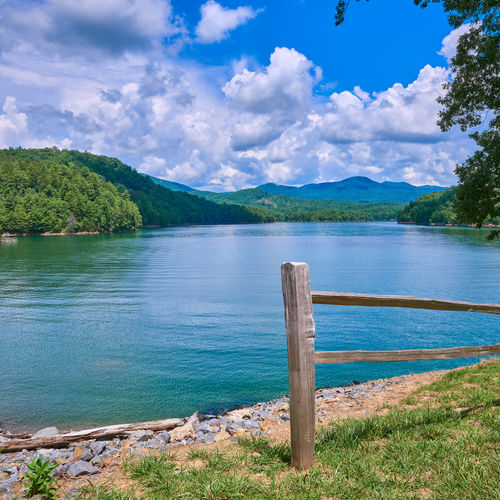


When a clear, still night settles over the Valley River and the ridges around Murphy go silver with frost, the pipes in a mountain home are working hard behind the walls. Keeping pipes from freezing in a Murphy, NC home mostly comes down to a few simple habits: keep the heat at 55°F or higher, let warm air reach the pipes on exterior walls during a hard freeze, put the garden hoses away, and know where your main water shut-off is. This guide covers why winter matters for pipes here, what to think about when you are away, and what buyers and sellers notice about it.
Key Takeaways
- Murphy’s average January low is about 26°F, and homes at higher elevations in Cherokee County see more snow and ice than town, so a little pipe awareness is part of winter here.
- NC State Extension and FEMA both suggest keeping the heat no lower than 55°F, including when you are away.
- Knowing where your main water shut-off is may be the single most useful thing a homeowner can learn before winter.
- For a home that sits empty in cold weather, the guidance is to have someone check it daily or to drain and shut off the water system.
- A licensed plumber can advise on your particular home; a simple winter-care record helps when it is time to sell.
Why do pipes freeze in Murphy-area mountain homes?
Murphy sits at about 1,539 feet at the confluence of the Hiwassee and Valley rivers, and by climate averages it is a mild mountain town. The average January high is about 49°F and the average low is about 26°F, with roughly five inches of snow in a typical year. Most winter days here are easy to live with. The ones that matter for pipes are the cold snaps that hold below freezing for a day or two.
Elevation adds to it. Andrews sits at about 1,805 feet, and many homes in Cherokee, Clay and Graham counties sit above the valley floors on ridges and coves bordering the Nantahala National Forest. Higher elevations see more snow and ice than town, so two homes ten minutes apart can have very different winters.
The way mountain homes are built plays a part too. Sloped lots lead to crawlspaces, walk-out lower levels, garages tucked under the main floor, and long water lines from a private well. Those are good answers to steep terrain, and they also mean some plumbing sits closer to the cold than it would in a house on flat ground. If you are looking at homes, my guide to touring a mountain home near Murphy, NC covers what to notice in the lower level during a showing.
Where are pipes most exposed in a mountain home?
Every house is different, but the same few places come up on mountain homes around Murphy, Marble, Andrews and the lake communities on Hiwassee Lake and Lake Chatuge. You do not need to be handy to know where they are. Knowing them simply makes you a more informed owner, and a more informed buyer.
| Part of the home | Why it gets cold | A question worth asking |
|---|---|---|
| Crawlspace | Often unheated and open to outside air | Where do the water lines run, and is the crawlspace easy to reach? |
| Kitchen, bath and laundry sinks on exterior walls | Cold reaches the back of the cabinet first | Which sinks sit on outside walls? |
| Garage or tuck-under lower level | Often unheated, and open when the door is up | Do any water lines run through the garage? |
| Outdoor spigots | Fully exposed to wind and cold | Where are they, and have the hoses come off for winter? |
| Well equipment (homes on a private well) | Its location varies from home to home | Where is the well equipment, and is it protected for winter? |
If any of those answers leave you unsure, a licensed plumber can look at your home and advise on what, if anything, it needs. That is their lane, and it is a better use of a winter afternoon than guessing.
What simple habits help before a cold snap?
The homeowner guidance from NC State Extension on preventing frozen pipes and from FEMA is reassuringly short. These are the basics that most owners around Murphy can handle without tools:
- Keep the thermostat no lower than 55°F through cold weather, day and night.
- During a hard freeze, open the cabinet doors under sinks on exterior walls so warm room air can reach the pipes.
- Disconnect garden hoses and shut off the outdoor spigots before the first hard freeze.
- Find the main water shut-off, label it, and make sure everyone who uses the home knows where it is.
That last habit deserves a moment, because it looks different from one address to the next. In-town homes fall under Town of Murphy jurisdiction, while many homes beyond the town limits rely on a private well and septic. Confirm water service by address, and find the valve on a calm fall day rather than during a cold night.
Anything beyond those habits, such as whether a crawlspace or a particular run of pipe needs more protection, is a good question for a licensed plumber who can see the house in person.
What should you think about when you are away from the house?
If the house is a second home, or you plan to travel over the holidays, the thing to keep in mind is simple: a frozen pipe in an empty house can go unnoticed for days.
The published guidance offers two paths for an absence during cold weather. One is to keep the heat at 55°F or higher and have someone you trust check on the home every day. The other is to shut off and drain the water system so there is nothing in the lines to freeze. A licensed plumber can tell you how your own system, especially one on a private well, should be shut down.
Either path works when it is done completely. My advice for second-home owners is to choose one before the first hard freeze, write it down, and leave the note where anyone who helps with the house can find it. Winter storms can also take the power out, and the heat with it, so having someone nearby who can reach the house and knows where the shut-off is turns a long outage into a manageable one.
And if a pipe does freeze, the basics are short: shut off the water at the main, never use an open flame near a pipe, and call a licensed plumber.
What do buyers notice about pipes on a winter tour?
Winter is a good season to see a mountain home honestly. The leaves are down, the views are open, and the heat is running, so a showing tells you how the house lives in the coldest months. Here is what I’d pay attention to if you are touring this winter:
- Whether the home is heated, especially if it is a vacant or second home.
- Where the main water shut-off is, and whether the seller has noted it.
- Which parts of the house sit over a crawlspace or garage, and how easy those spaces are to reach.
- Whether the seller can share any record of winter care or past plumbing work.
None of that replaces a home inspection. Inspections happen during the due diligence period in a North Carolina purchase, and if something about the plumbing raises a question, your inspector or a licensed plumber is the right person to explain it. I’d rather you ask them than guess. If you are starting a search, my buyer resources for Murphy and the NC mountains walk through the process from first tour to closing.
How does a winter-care record help when you sell?
For sellers, a little paperwork goes a long way. A short note of where the main shut-off is, along with receipts for any plumbing work, answers questions before a buyer has to ask them. It also gives the buyer’s inspector a head start during due diligence.
Every North Carolina seller also completes the NC Residential Property and Owners’ Association Disclosure Statement, which is delivered to a buyer by the time an offer is made. If you are unsure how to answer a question on it, that is a conversation for your closing attorney. My guide to handling home inspection findings as a Murphy, NC seller talks through how organized records help the due diligence period go smoothly.
A winter-care summary left in a kitchen drawer, with the shut-off location and the name of the person who checks on the house, is a small thing that tells a buyer the home has been looked after. You can find more guides for getting ready to list on my seller resources page.
Frequently Asked Questions
What temperature should I keep my Murphy home at to prevent frozen pipes?
NC State Extension and FEMA suggest keeping the heat no lower than 55°F, including when you are away. During a hard freeze, opening the cabinet doors under sinks on exterior walls lets warm air reach the pipes.
What should I do with outdoor spigots before winter?
Disconnect garden hoses and shut off the outdoor spigots before the first hard freeze. If you are unsure how your spigots or well equipment should be prepared, a licensed plumber can advise.
How do I protect pipes in a second home I leave for weeks?
The guidance offers two paths: keep the heat at 55°F or higher and have someone check the home daily, or shut off and drain the water system. A licensed plumber can tell you how your own system should be shut down.
What should I do if a pipe freezes?
Shut off the water at the main, never use an open flame near a pipe, and call a licensed plumber.
Do buyers ask about frozen pipes in Murphy, NC?
It is a fair question on any mountain home. Buyers notice whether the home is heated, where the shut-off is, and whether there is a record of winter care. Plumbing questions are best answered by the inspector during due diligence.
Your Local Expert
Based in Murphy, NC — the county seat of Cherokee County — I’m Bonnie DuPree, a Resort & Second-Home Property Specialist with RE/MAX Town & Country. I have helped people buy and sell mountain and lake homes here since 2007, across Cherokee, Clay and Graham counties in North Carolina and Union, Fannin and Towns counties in Georgia. My team and I focus on client service, including the practical questions that come with owning a home in the mountains.
Questions about owning a mountain home near Murphy?
Whether you are buying your first mountain home, getting a house ready to sell, or keeping an eye on a second home from out of state, I am glad to help you think it through. Reach out to me, Bonnie DuPree, and let’s talk about the home you have or the one you are looking for.
Live Love Mountain Life.
The DuPree Real Estate Group is pledged to the letter and spirit of U.S. policy for the achievement of equal housing opportunity. Bonnie DuPree, REALTOR® · RE/MAX Town & Country · Each Office Independently Owned and Operated.