

There's a particular kind of quiet on Lake Chatuge before nine in the morning — flat water, a heron working the shallows, and the ridgelines still holding a little mist. A good day on Lake Chatuge usually comes down to three things: where you launch, where you paddle, and where you swim, and each of those looks a little different depending on which side of the North Carolina–Georgia line you start from. This guide walks through the basics — public access, marinas and rentals, calmer coves for paddling, and what to know about swimming on a reservoir with a working shoreline — so you can spend less time figuring out logistics and more time on the water.
Key Takeaways
- Lake Chatuge is a roughly 7,000-acre TVA reservoir straddling Clay County, NC and Towns County, GA, with public boat access on both sides.
- Public boat ramps and full-service marinas are spread around the shoreline near Hayesville, NC and Hiawassee/Young Harris, GA — confirm current hours and fees before you go.
- Paddlers generally find the calmest water in the back coves, away from the main channel and boat traffic.
- Swimming is popular but largely informal on Chatuge; there are few if any designated, lifeguarded swim areas, so read the water and check conditions.
- Like other TVA lakes in the region, Chatuge's water level follows a seasonal drawdown, so ramps, coves, and swim spots can look different in late summer and fall.
Where can you launch a boat on Lake Chatuge?
Lake Chatuge has public boat access on both sides of the state line — the North Carolina shoreline near Hayesville, and the Georgia shoreline near Hiawassee and Young Harris. Public ramps are maintained by a mix of local government and the U.S. Forest Service, and several full-service marinas around the lake offer additional launching, fuel, and dockage. Because ramp conditions and hours change with staffing and the season, the simplest plan is to check the current listing for whichever ramp or marina you intend to use — either through the local visitor centers in Hayesville or Hiawassee, or directly with the marina — before you load the boat. If you're trailering a larger boat, arrive with extra time on summer weekends, when ramps near town tend to see the most traffic.
Renting a boat or paddlecraft for the day
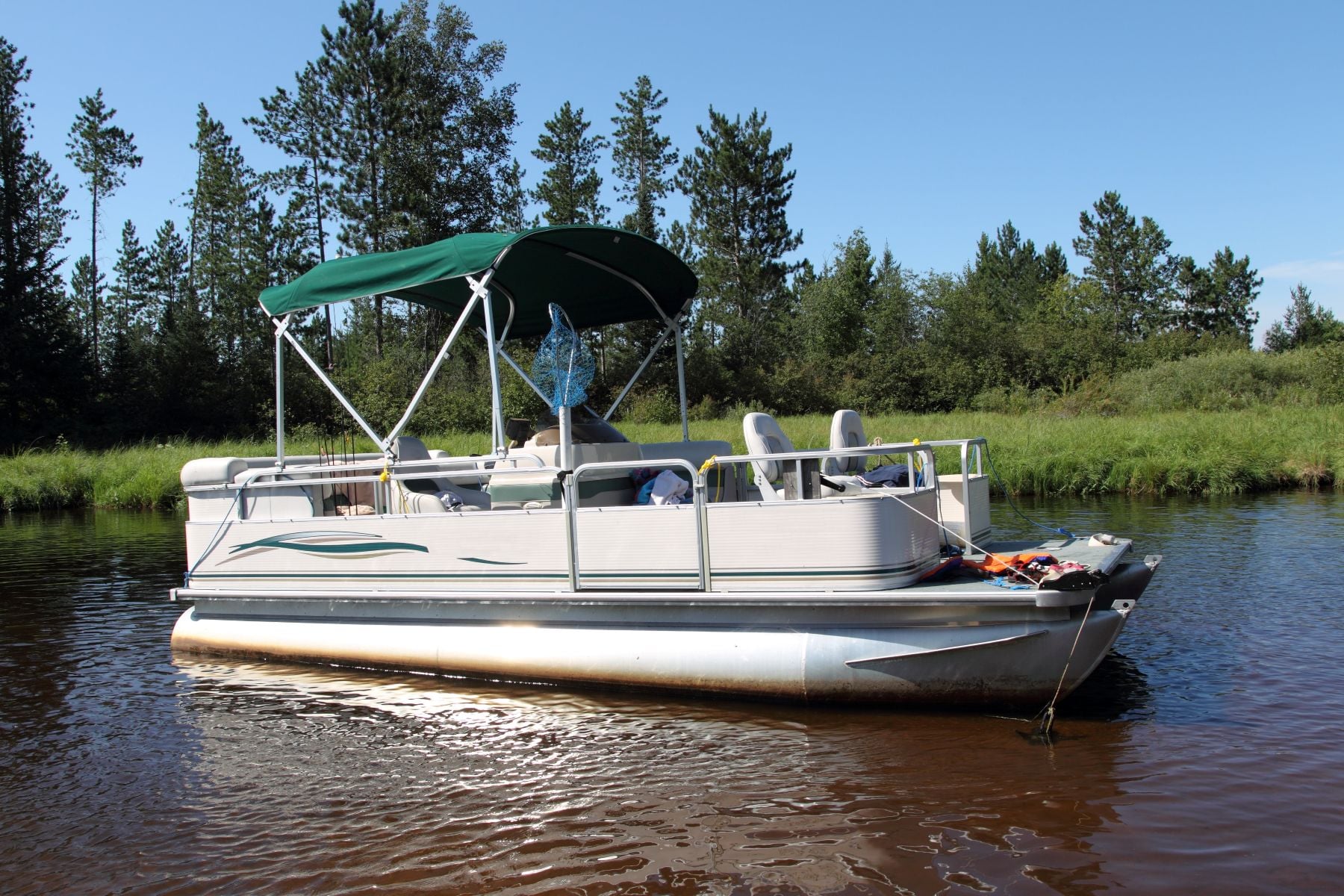
You don't need to own a boat to spend a day on Chatuge. Marinas around the lake offer rentals ranging from pontoons and fishing boats to kayaks, paddleboards, and canoes, and several also offer guided options for visitors who'd rather not navigate the coves solo the first time out. Availability, pricing, and reservation policies vary by marina and by season, so it's worth calling ahead in peak summer months, when the most popular rental slots can book up early in the week. A few points worth confirming when you call:
- Whether life jackets, coolers, and safety gear are included or need to be brought.
- Minimum age or experience requirements for solo watercraft rental.
- Fuel policy for powered rentals, and any deposit required.
- Current lake level and any temporary hazards near the marina's launch point.
Where to find calm water for paddling
Chatuge's shape works in a paddler's favor — the lake is laced with coves and inlets that sit well off the main boating channel, and those back coves are almost always calmer than the open water near the dam or the main marinas. Early morning is the best window for flat water and wildlife, before wake boats and pontoons pick up later in the day. A slow paddle along the tree-lined shallows near the shoreline, rather than across open water, also keeps you clear of faster boat traffic and gives you a better look at the lake's steep, forested banks. If you're new to the lake, ask a local marina or outfitter to point you toward a cove that suits the wind and your experience level that day — conditions can shift with the weather more than you'd expect on a mountain lake.
What should you know about swimming on Lake Chatuge?
Swimming is a popular part of a Chatuge day, but it's worth going in with the right expectations. Unlike a managed public pool or a state-park beach, most swimming here happens informally — off a dock, a boat, or a quiet stretch of shoreline — rather than at a staffed, lifeguarded swim area. Water depth can change quickly near drop-offs, submerged structure isn't always visible, and boat traffic picks up through the day, so it pays to swim with a buddy, stay aware of nearby boats, and check current conditions before choosing a spot. If a designated public swim beach is important to your plans, confirm its status and hours with local parks or the visitor center rather than assuming one is open, since access points can change season to season.
How does the season change a day on the water?
Like the other TVA reservoirs in the region, Chatuge is managed for flood control, power, and recreation, which means the water level is intentionally higher in the warm months and drawn down heading into fall and winter. The practical effect on a day trip is straightforward: full-pool summer gives you the most shoreline underwater and the easiest access to coves and ramps, while a lower fall or winter lake can expose more shoreline, change where it's comfortable to swim, and shift where a paddler wants to put in. If you're planning a trip outside peak summer, it's worth checking the current lake level before you go, especially if you're relying on a specific ramp or dock.
| Time of day | What it's best for |
|---|---|
| Early morning | Flat water for paddling, quiet coves, wildlife along the shoreline |
| Midday | Boating, swimming, and rentals at their busiest — expect more traffic |
| Late afternoon into evening | Calmer water again, good light for photos, cooler temperatures |
Packing and planning for a day trip
A little planning goes a long way on a mountain lake. Sun protection matters even on overcast days, since the water reflects more UV than you'd expect, and afternoon storms are common in the warmer months, so it's worth checking the forecast before you launch. Bring more water than you think you'll need, secure valuables in a dry bag if you're paddling, and pack out anything you bring in — the coves stay clean because visitors keep them that way. If you're new to the lake, a short conversation with a local marina or outfitter about current conditions, water level, and any temporary closures is worth the five minutes it takes.
Getting to know the lake before you buy
For a lot of people, a day like this is how Lake Chatuge gets under their skin — one paddle into a quiet cove, one swim off a friend's dock, and suddenly the drive back to Atlanta or Asheville feels a little longer than it used to. If that's starting to sound familiar, The DuPree Real Estate Group works across Chatuge and the other lakes of Western North Carolina and Northeast Georgia, and can walk you through what lakefront versus lake-access ownership actually looks like here, from dock permits to seasonal drawdown.
Frequently Asked Questions
Where can I launch a boat on Lake Chatuge?
Public boat ramps and marinas are available on both the North Carolina side near Hayesville and the Georgia side near Hiawassee and Young Harris. Confirm current hours, fees, and ramp conditions with the local visitor center or marina before you go.
Can I rent a boat or kayak on Lake Chatuge?
Yes. Marinas around the lake offer rentals ranging from pontoons and fishing boats to kayaks, paddleboards, and canoes, with some guided options available. Call ahead in peak summer months, since popular rental slots can book up.
Are there designated swim areas on Lake Chatuge?
Most swimming on Chatuge is informal, off docks, boats, or shoreline, rather than at staffed, lifeguarded beaches. Check with local parks or the visitor center for the current status of any public swim area before you plan around one.
Where is the calmest water for paddling on Lake Chatuge?
The back coves and inlets away from the main boating channel are generally the calmest, especially early in the morning before boat traffic picks up. A local marina or outfitter can point you toward a cove that suits conditions that day.
Does the water level on Lake Chatuge change throughout the year?
Yes. As a TVA reservoir, Chatuge is generally fuller in the warm months and drawn down heading into fall and winter, which can change how ramps, coves, and swim spots look and how accessible they are.
Plan your day, then come back for more
Lake Chatuge rewards an easy pace — an early paddle, a slow afternoon on the water, dinner in Hayesville or Hiawassee once the sun starts to drop. If the lake has you thinking beyond a day trip, you can read the Lake Chatuge real estate guide, browse current lakefront and lake-access listings, or reach out to Bonnie DuPree to talk through what a longer stay could look like. Come for the day — and see where it leads.
The DuPree Real Estate Group is pledged to the letter and spirit of U.S. policy for the achievement of equal housing opportunity. Bonnie DuPree, REALTOR® · RE/MAX Town & Country · Each Office Independently Owned and Operated.
Check out this article next