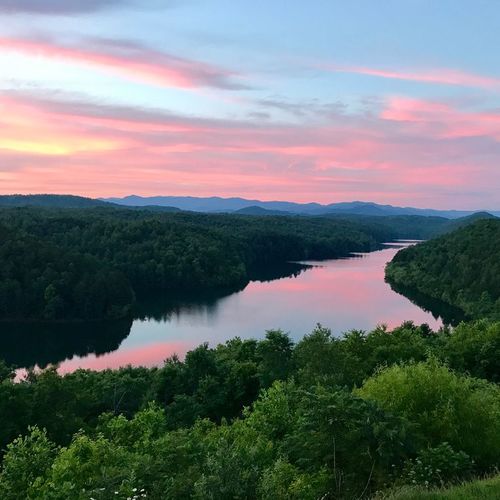


A mountain home sells best when it tells the truth beautifully — when the things buyers worry about are already handled, and the things they fall for are easy to see. Preparing your mountain home to sell means addressing the details unique to this setting: the deck and roof, moisture and the crawlspace, your well and septic records, the view through the trees, and a clean, light-filled interior. Do that work before you list, ideally weeks or months ahead, and you walk into the market with fewer surprises and a stronger position.
Key Takeaways
- Start early — exterior, moisture, and systems work is easier and cheaper before you list.
- Mountain buyers scrutinize decks, roofs, drainage, and crawlspaces; address these first.
- Gather records for the well, septic, HVAC, and any recent repairs so questions have ready answers.
- Clear sightlines and stage outdoor living to show the view and the porches at their best.
- Time your listing to the season that suits your home — summer lake season or fall leaf season.
Start with the exterior and the approach
In the mountains, the first impression often happens before a buyer reaches the door — on a winding driveway, under a canopy of trees, beside a deck that wraps toward a view. Walk your approach the way a buyer would and look hard. Is the driveway clear and well-edged, with any gravel topped off and washouts repaired? Are gutters cleaned and, where leaves are heavy, fitted with guards? Decks take a beating here, so check for soft boards, loose railings, and fasteners that need attention, then clean and reseal where it helps. Up top, the roof matters more than almost anything: clear it of debris, address any moss or lifted shingles, and have documentation ready if it's newer. None of this is glamorous, but it quietly tells a buyer the home has been cared for — and that confidence carries through the rest of the showing.
Tackle moisture and the crawlspace
Humidity and grade are facts of life on a mountain lot, and savvy buyers will look closely at how a home manages water. Make sure the ground slopes away from the foundation, downspouts carry water well clear of the house, and any french drains or swales are doing their job. In the crawlspace, look for a clean, intact vapor barrier, good ventilation or a working dehumidifier, and no signs of standing water or wood-destroying organisms. If you've had moisture addressed in the past, keep the paperwork — a documented fix is reassuring, while an unexplained stain invites worry. Handling moisture before you list keeps it from becoming the headline of an inspection report later.
Get your well, septic, and systems documented
Many mountain properties run on a private well and septic system, and buyers — especially those coming from a city water-and-sewer world — will have questions. You can answer them in advance by gathering records: when the septic tank was last pumped and inspected, what you know about the drain field, the well's depth and any flow or water-quality results, and service history for the HVAC, water heater, and any generator. Confirm what North Carolina or Georgia expects of sellers in your situation, since disclosure norms differ and rules can change. The point isn't to promise perfection — it's to replace uncertainty with a tidy folder of facts, which keeps negotiations focused and calm.
Show off the view and the outdoor living
For many mountain and lake homes, the view and the porches are the product. Give them their moment. Selective, careful clearing — a few limbs, some underbrush — can reopen a long-range sightline that's grown in over the years, though it's worth checking any restrictions before you cut. Pressure-wash and stage the decks, screened porches, and patios as living spaces: a small seating group, a clean grill, a pair of rockers facing the ridge. Inside, make sure the windows that frame the best views are spotless and unobstructed by heavy treatments. When a buyer steps onto the porch at the right hour and the mountains line up just so, you want nothing standing between them and that feeling.
Prepare the interior to feel light and uncluttered
Mountain interiors lean on wood and warmth, which is part of their charm — but they can read dark if you're not careful. Aim for clean, bright, and uncluttered:
- Declutter and depersonalize so buyers can picture their own life in the space.
- Add light — open blinds, raise wattage, and clean fixtures, especially in wood-heavy rooms.
- Neutralize odors from woodsmoke, pets, or a home that's been closed up between visits.
- Let the architecture speak: highlight beams, stone fireplaces, and big windows rather than crowding them.
- Deep-clean throughout, then keep it show-ready for the listing window.
If your home is a second property you visit occasionally, build in time to air it out, run the systems, and refresh it before photos and showings.
Time your listing to the season
Season matters more in a mountain-and-lake market than in many others, because buyer attention follows the calendar. There's no single right answer — it depends on what your home does best.
| Season | What it favors |
|---|---|
| Late spring & summer | Lake homes and outdoor living; full water levels and green, leafed-out grounds |
| Fall (leaf season) | View homes and cabins; peak color and heavy visitor traffic in the region |
| Winter | Reveals long-range views through bare trees; fewer listings competing for attention |
A home with a strong winter view, for instance, may show beautifully in a season many sellers avoid. The right timing is a conversation worth having before you set a date.
A simple pre-listing checklist
Pulling it together, here's the short version to work through before you go live:
- Driveway, gutters, deck, and roof inspected, cleaned, and repaired as needed.
- Grading and drainage checked; crawlspace clean and dry.
- Well, septic, HVAC, and repair records gathered in one place.
- Sightlines opened and outdoor spaces staged.
- Interior decluttered, brightened, deep-cleaned, and odor-neutral.
- Listing timed to the season that shows your home best.
A prepared home shows and photographs better
Almost every buyer meets your home online before they ever drive the gravel road, so the work you do before listing pays off twice — once in person and once on screen. A home that's been decluttered, brightened, and staged photographs cleanly, and a deck that's been washed and furnished reads as a place to live rather than a surface to inspect. The mountain setting gives you advantages worth capturing: golden-hour light through the trees, a twilight shot with the windows glowing, a wide frame that shows the acreage or the water, and the long-range view at the hour it looks its best. Those images do the heavy lifting in search results and listing alerts, drawing the right buyers to schedule a showing. The sequence matters, too — finishing repairs and staging before the photographer arrives means the photos match what buyers find when they visit, which builds trust and keeps the process moving. In a market where many buyers are shopping from out of state, strong, honest media isn't a luxury; it's how your home earns its first showings. Preparation and presentation are two halves of the same job.
Frequently Asked Questions
When should I start preparing my mountain home to sell?
Ideally several weeks to a few months ahead. Exterior, drainage, and systems work takes time and is easier to handle before showings begin, and an early start lets you time the listing to the right season.
What do mountain-home buyers inspect most closely?
Decks, roofs, drainage and grading, the crawlspace, and the well and septic systems tend to draw the most scrutiny. Addressing these first reduces surprises during the inspection.
Should I clear trees to improve the view before selling?
Selective clearing can reopen a grown-in sightline and help the home show better, but check any HOA, easement, or local restrictions before cutting, and keep it tasteful and reversible where possible.
Is there a best time of year to sell in the mountains?
It depends on the home. Lake and outdoor-living homes often show best in summer, view homes and cabins shine in fall, and winter can reveal long-range views with less competing inventory.
What records should I have ready for buyers?
Gather septic pumping and inspection history, well depth and any water-quality results, HVAC and water-heater service, roof age, and documentation of past repairs. Confirm what your state expects sellers to disclose.
Selling with The DuPree Real Estate Group
Preparing a mountain home well is part art, part checklist — and it's easier with a team that knows what buyers here look for. The DuPree Real Estate Group's specialist approach handles the marketing, the staging guidance, and the contract-to-close details so you can focus on the move. When you're ready, reach out to Bonnie DuPree to talk through your home and a plan that fits your timeline. You can also explore the local market to see how comparable homes are presented.
The DuPree Real Estate Group is pledged to the letter and spirit of U.S. policy for the achievement of equal housing opportunity. Bonnie DuPree, REALTOR® · RE/MAX Town & Country · Each Office Independently Owned and Operated.
Check out this article next