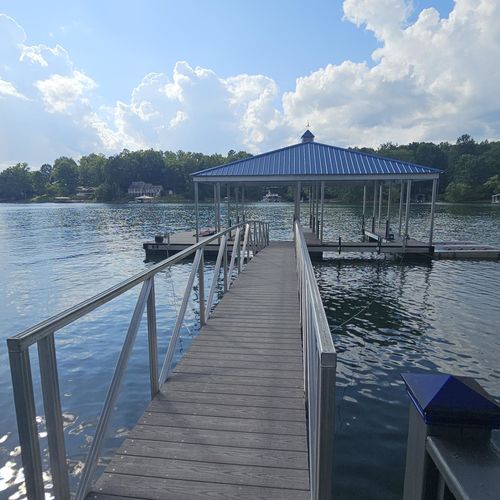

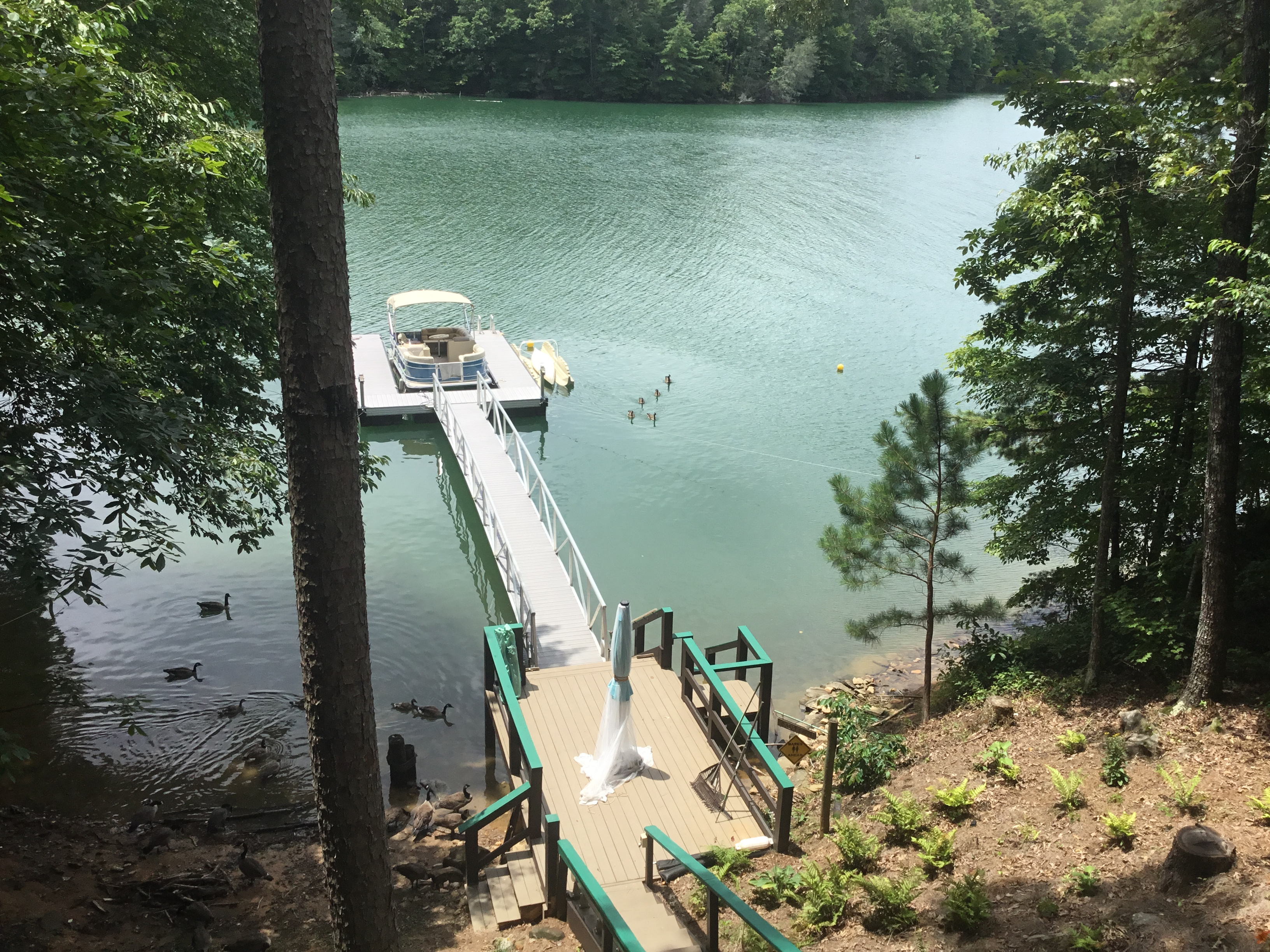
To winterize a boat and dock on a TVA lake near Murphy, NC, stabilize the fuel, protect the engine, drain every water system, care for the battery and cover or store the boat, then tend the dock as TVA lowers the lake for winter: adjust lines, floats and ramps, check anchoring and cables, and have the wiring looked over. A little care in October and November means an easy, happy launch when the lake fills again in spring.
Key Takeaways
- Discover Boating sums up the goal of boat winterization simply: keep out water and moisture as much as possible.
- The core boat steps are fuel stabilizer, engine prep and fogging as your manual directs, fresh filters, drained water systems, battery care and a good cover or storage spot.
- TVA typically lowers its reservoirs at least to winter flood-guide levels by January 1, and filling of the tributary lakes begins in mid-March.
- Dock prep follows the water: adjust lines, floats and ramps as the lake lowers, and check cables, anchoring and any lift.
- TVA approval is needed for dock repairs that change the size or structure, and for new construction, so winter is a lovely time to plan projects.
Why is fall the season to tuck in your boat and dock?
I'm Bonnie DuPree, a REALTOR® with RE/MAX Town & Country and a Resort & Second-Home Property Specialist (RSPS), and helping people enjoy lake homes around Murphy is one of my favorite parts of the work. When the leaves turn on the ridges above Hiwassee Lake and Lake Chatuge, the lake season starts winding down, and that's the natural moment to put the boat and dock to bed.
Our lakes are TVA tributary reservoirs, which means the water follows a seasonal rhythm. My post on what TVA's winter drawdown means for lake homes near Murphy explains that rhythm in detail. In short, the lake slowly lowers through fall into winter and comes back up in spring, so the dock routine here moves with the water.
I think of winterization as a gift to your spring self. The boat is ready to start, the dock is ready to enjoy, and the first warm Saturday on the lake is simply a good day on the water.
How do I winterize a boat on a TVA lake?
Every boat and engine is a little different, so your owner's manual and a marine technician are the final word. For a clear overview, Discover Boating's winterization guide walks through the essentials and puts the goal in one line: keep out water and moisture to the greatest extent possible. Here are the general steps it describes, in the order I like to think about them:
- Stabilize the fuel. Add a fuel-stabilizing additive to the fuel system, then run the engine so the treated fuel moves through it.
- Prep the engine. Make sure all water is drained from the engine, and apply a protective coating against corrosion.
- Fog as your manual directs. Fogging methods vary. Some outboard makers use a fuel additive and others use electronic controls, so follow the manufacturer's approach.
- Change the filters. Replace fuel filters and any fuel/water separators in the system.
- Drain the freshwater systems. Drain sinks, tanks and heads, then add antifreeze to the plumbing once the fresh water is out.
- Clear the extra systems. Remove water from raw-water washdowns, livewells, the bilge pump and similar systems, and pull the drain plugs.
- Care for the battery. Ask your technician how best to charge, maintain or store your battery over the cold months.
- Cover or store the boat. A well-fitted cover or a winter storage spot keeps the boat clean and dry until spring.
Discover Boating also recommends that anyone who hasn't winterized a boat before have a professional do the job. I encourage every lake owner, and especially second-home owners who head home for part of the winter, to put a local marine technician on the calendar early in the fall.
How should I prepare my dock for the winter drawdown?
TVA explains in Understanding the Drawdown that reservoirs are typically lowered at least to their winter flood-guide levels by January 1 each year, and that filling of tributary reservoirs to summer levels begins in mid-March. Since the lake moves gradually through the fall, dock prep is less a single chore and more a few friendly check-ins as the water settles.
- Lines and fenders. As the water lowers, adjust dock lines so anything tied up rides comfortably at the new level.
- Floats and ramps. Floating docks and gangways follow the water down, so check that ramps and hinges move freely and sit at a comfortable angle.
- Cables and anchoring. Look over the cables, chains or anchoring that hold a floating dock in place, and have a dock professional adjust them if needed.
- Boat lift. If you have a lift, raise the boat for storage or remove it, and ask your lift installer about seasonal care for its motor and cables.
- Deck and hardware. Sweep off leaves, stow cushions and loose gear, and note any boards or hardware to refresh before spring.
Each lake and each cove sits a little differently at winter pool, so I always point owners to TVA's own information and to a local dock contractor who knows their lake. If you have a home on Hiwassee, my Lake Hiwassee guide is a good way to get to know this roughly 6,090-acre lake, where about 93% of the shoreline is Nantahala National Forest land.
What about dock electrical, permits and the rest of the house?
Fall is a great time to have a licensed electrician look over dock wiring, lighting and GFCI protection, so everything is in good order before the lake comes back up. TVA's Section 26a regulations say electrical service at water-use facilities must comply with all state and local electrical codes and include an electrical disconnect located above the 500-year floodplain or flood risk profile, whichever is higher, that's accessible during flood events. A licensed electrician who works on lake docks will know how that applies to yours.
Winter is also the natural planning season for dock projects. Under TVA's Section 26a regulations, previously permitted docks can continue to be maintained, while repairs that would change the size of the facility, create a structural modification or add new construction need TVA approval. My post on understanding TVA dock permits on mountain lakes explains how the process works, and TVA's local office is the authority on any specific plan.
The boat and dock are one part of closing up a lake home for the season. For the house itself, from water lines to thermostats, my guide to winterizing a second home near Murphy pairs nicely with this one.
Where can I keep a boat for the winter near Murphy?
Lake owners around Murphy have a few good options, and the right one depends on the boat, the dock and how you like to use the lake in the cooler months:
- On a lift at home. Many owners keep the boat raised and covered on their own lift through the winter.
- On a trailer. A trailered boat can be covered and stored on the property or at a storage facility.
- At a marina. Marinas on our lakes offer slips and services, and many can help with winterizing too. Ask each one about winter options.
One lovely example is Mountain View Marina at Bear Paw, a resort community on Hiwassee Lake. As I describe in our Bear Paw Resort guide, the full-service marina offers year-round slip rentals on a deeper part of the lake, along with boat maintenance and a waterfront shop.
Lake Chatuge, on the Clay County, NC and Towns County, GA line, has marinas of its own. If you're still choosing a lake, my comparison of Lake Hiwassee vs. Lake Chatuge describes what each one offers.
What does a boat and dock winter timeline look like?
Here is a simple way to picture the season. Exact timing varies by lake, by year and by TVA's operations, so treat this as a friendly guide rather than a schedule.
| When | Boat | Dock |
|---|---|---|
| Early fall | Book your marine technician or marina service | Schedule an electrician and dock contractor check |
| Mid to late fall | Stabilize fuel, prep and fog the engine, change filters | Adjust lines, floats and ramps as the lake lowers |
| Before the first hard freeze | Drain water systems, add antifreeze, pull drain plugs | Raise or remove the boat from the lift, stow gear |
| Winter (by about Jan. 1) | Covered and stored, battery cared for | Check cables and anchoring; plan any permitted projects |
| Spring (from mid-March) | De-winterize with your technician and launch | Readjust lines and ramps as the lake fills |
I love the way this rhythm makes a lake home feel alive through the whole year. Winter brings still, beautiful days on the coves, and spring brings the fun of watching the lake fill back in.
Frequently Asked Questions
How do I winterize a boat and dock on a TVA lake?
For the boat, stabilize the fuel, prep and fog the engine as your manual directs, change filters, drain all water systems, care for the battery and cover or store it. For the dock, adjust lines, floats and ramps as TVA lowers the lake, check cables, anchoring and any lift, and have the wiring checked by a licensed electrician.
When does TVA lower the lakes near Murphy, NC?
TVA says reservoirs are typically lowered at least to winter flood-guide levels by January 1 each year, and filling of tributary reservoirs to summer levels begins in mid-March. Hiwassee and Chatuge are TVA tributary reservoirs.
Should I hire a professional to winterize my boat?
Discover Boating recommends that anyone who hasn't winterized a boat before have a professional do the job. I encourage lake owners, especially second-home owners, to book a local marine technician early in the fall.
Do I need a TVA permit to work on my dock?
Under TVA's Section 26a regulations, previously permitted docks can continue to be maintained, while repairs that change the size of the facility, structural modifications and new construction need TVA approval. TVA's local office is the authority on any specific project.
Can I keep my boat in the water over the winter near Murphy?
Options include a lift at home, a trailer or a marina slip. Mountain View Marina at Bear Paw on Hiwassee Lake offers year-round slip rentals on a deeper part of the lake, and other marinas can tell you about their winter options.
Your Local Expert
I'm Bonnie DuPree, REALTOR®, founder of The DuPree Real Estate Group at RE/MAX Town & Country. Based in Murphy, NC — the county seat of Cherokee County — I've helped buyers and sellers across these mountains and lakes since 2007. As a Resort & Second-Home Property Specialist (RSPS), I help people find and enjoy lake homes on Hiwassee, Chatuge, Nottely and Apalachia in every season. My team follows a "One Thing" model, with each specialist focused on one part of your move.
Tuck it in for winter, launch happy in spring
A few fall hours with your boat, your dock and the right local pros set up a wonderful spring on the lake. Whether you already own a lake home near Murphy or you're still looking for your first cove, I'd love to help you enjoy every season on the water.
Reach out to me directly, or call me at (828) 361-1027, and let's talk about lake life around Murphy.
The DuPree Real Estate Group is pledged to the letter and spirit of U.S. policy for the achievement of equal housing opportunity. Bonnie DuPree, REALTOR® · RE/MAX Town & Country · Each Office Independently Owned and Operated.
Check out this article next