
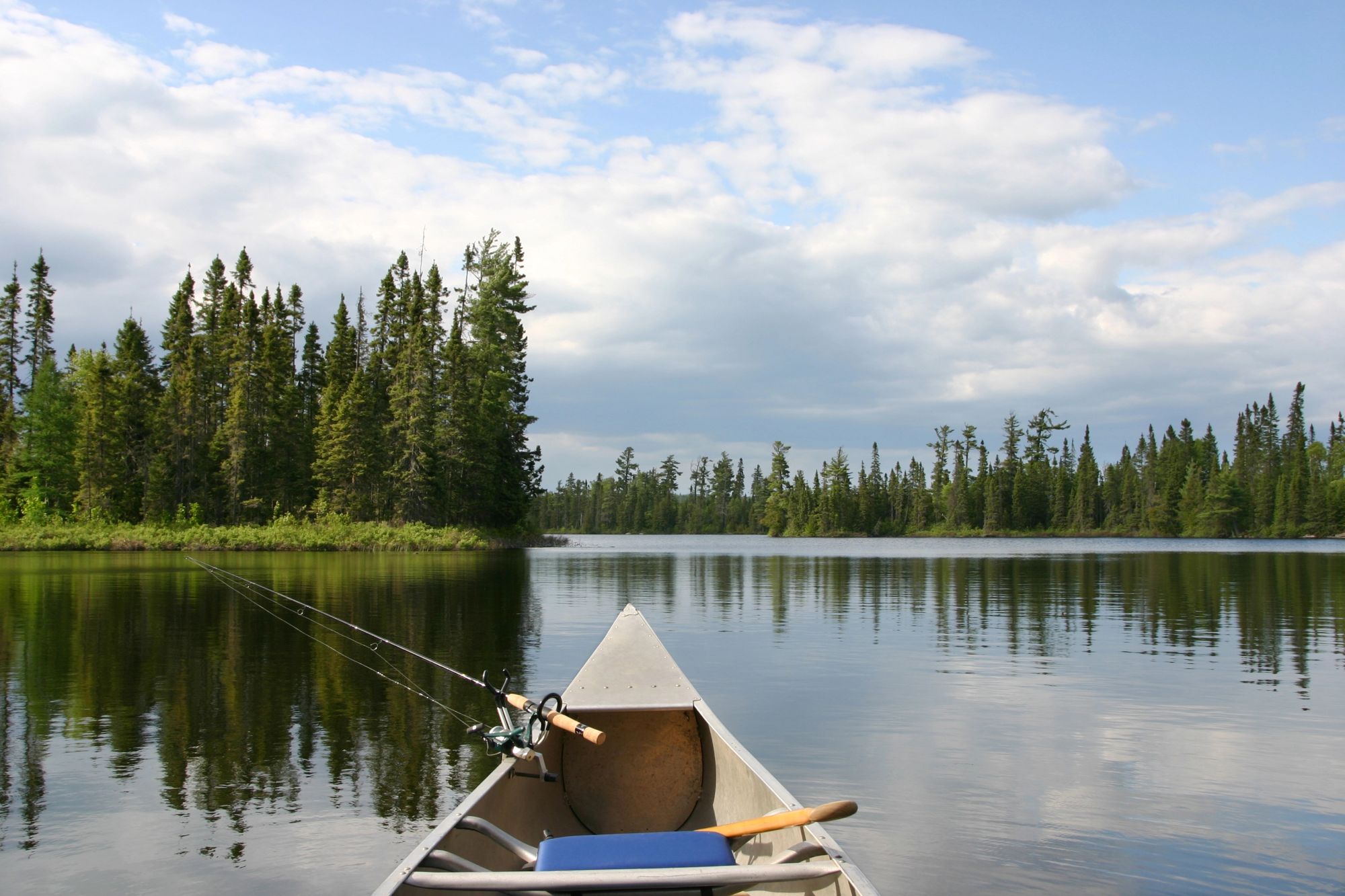
For anglers, this corner of the mountains is a quiet paradise — big-water lakes full of bass and striped bass, cold tailwaters and creeks holding trout, and far less pressure than the famous waters elsewhere. Fishing near Murphy, NC and across the North Georgia line spans the TVA reservoirs of Hiwassee, Chatuge, and Nottely, the trout water of the Hiwassee River below the dams, and countless mountain streams. Whether you cast from a boat, a dock, or the bank, the variety is remarkable. Here's an overview of where and what to fish, plus the access and licensing basics to know before you go. For many who live here, a quiet morning on the water is one of the deepest pleasures of mountain life, and the sheer range — big reservoirs, cold tailwaters, and tumbling creeks all within a short drive — means there's always somewhere new to cast a line.
Key Takeaways
- The TVA lakes — Hiwassee, Chatuge, and Nottely — hold bass, striped bass, walleye, and more.
- The Hiwassee River tailwater below Lake Chatuge is a noted trout fishery on the NC side.
- Lake Chatuge spans the NC–GA line, so both states' fishing rules can apply.
- Public boat ramps and bank-fishing spots provide access across the region.
- A valid fishing license is required; confirm current NC and GA rules and trout regulations.
Bass and big fish on the TVA lakes
The reservoirs are the headline waters here. Lake Hiwassee near Murphy, Lake Chatuge on the North Carolina–Georgia line, and Lake Nottely near Blairsville are all Tennessee Valley Authority lakes known for excellent fishing, and they're celebrated in particular for striped bass — Nottely and Hiwassee have produced genuinely large stripers over the years. You'll also find largemouth, smallmouth, and spotted bass, along with walleye, crappie, sunfish, and catfish depending on the lake. Hiwassee is largely undeveloped, which gives it a wild feel; Chatuge is broader and shallower; Nottely is known for its striper fishery. Each has public boat ramps and marinas for launching, and many anglers also fish productively from docks and the bank. The lakes are generally less crowded than the big waters near the cities, so a quiet morning working the points and coves is easy to find. Local guide services know these waters well if you want a head start.
Trout on the tailwaters and streams
For trout, the region shifts from the open lakes to cold, moving water. The standout is the Hiwassee River tailwater below Lake Chatuge Dam, which runs west through Murphy and offers a noted trout fishery on the North Carolina side, with roadside access at bridge crossings for launching small craft or wading where possible. Fires Creek and other mountain streams in the Nantahala National Forest are stocked and hold rainbow, brown, and brook trout, and the high, cold creeks of the headwaters offer classic small-stream fly fishing. On the Georgia side, the headwaters above the lakes and other tailwaters add more trout options. Floating the tailwater is often the best way to fish it, though some stretches allow wading. Trout water carries its own regulations — including special rules on certain stretches — so it's especially important to confirm the current rules for any specific water before you fish.
Where to fish: a quick guide
| Water | Known for |
|---|---|
| Lake Hiwassee | Striped & smallmouth bass; wild, undeveloped feel |
| Lake Chatuge | Spotted & hybrid bass, sunfish; spans NC & GA |
| Lake Nottely | Trophy striped bass; largemouth and spotted bass |
| Hiwassee River tailwater | Trout below Chatuge Dam (NC side) |
| Mountain creeks | Stocked and wild trout in the national forest |
Access points and getting on the water
Access is generally good across the region. The lakes have public boat ramps — Lake Chatuge alone has several on the North Carolina side, with more on the Georgia side, and Hiwassee and Nottely have their own launches — plus marinas that handle larger boats and rentals. For bank and dock fishing, campgrounds and recreation areas around the lakes offer fishing docks and shoreline access, which is great if you don't have a boat. On the rivers and tailwaters, roadside pull-offs at bridges provide launch points for kayaks and small craft, and some stretches allow wading. Because water levels on the TVA lakes shift with the seasonal drawdown and the tailwaters depend on dam releases, the best access can change through the year, and a quick check of current conditions before you head out is always worthwhile. Local marinas, outfitters, and guide services are good sources for up-to-date access information.
Licenses and regulations
A valid fishing license is required, and the rules depend on which state's water you're fishing — an important point here, since the region straddles the North Carolina–Georgia line. North Carolina licenses are issued through the state's Wildlife Resources Commission, and Georgia licenses through the Georgia Department of Natural Resources; both are easy to obtain online. The wrinkle worth knowing: Lake Chatuge lies in both states, so it's important to understand which state's regulations apply to where you're fishing, and a reciprocal arrangement may or may not cover a given situation. Trout waters often carry additional requirements, such as a trout privilege and special regulations on designated stretches (delayed harvest, catch-and-release, or hatchery-supported rules), with seasons and limits that change. Always confirm the current license requirements, seasons, and creel and size limits with the relevant state agency before you fish, since these are updated regularly and getting them right is both the law and good stewardship of the fishery.
Seasons and the rhythm of the fishing year
Like everything in the mountains, the fishing follows the seasons, and knowing the rhythm helps you plan. Spring is prime time for the striped bass on Nottely and Hiwassee, when the fish move shallow and the action can be outstanding — local guides consider it a highlight of the year. Summer brings warm, busy water, with early mornings and evenings the most productive times to fish before the recreational boat traffic builds and the heat sends fish deeper. Fall is a beautiful time to be on the water as the crowds thin and the foliage turns, and the bass feed actively ahead of winter. The cold months slow the lake fishing but open up some of the best trout fishing on the tailwaters, where the water stays cold and the river is quiet. Because the TVA manages water levels and dam releases on a seasonal schedule, conditions shift through the year in ways that affect both access and where the fish hold. Matching your trip to the season — and checking current conditions before you go — is the difference between a slow day and a memorable one.
For newcomers, the friendliest way into all this is simply to start close to home and let curiosity lead. A rod, a license, and an afternoon on a public ramp or a quiet stretch of creek is enough to begin, and the local marinas, tackle shops, and guide services are generous with advice about what's biting and where. Over time you'll learn the moods of each lake and the seasons of each river, and the region will reveal itself as the quietly world-class fishery it is. It's the kind of pursuit that draws people deeper into the landscape and, often, into wanting a place of their own near the water.
Frequently Asked Questions
What fish can I catch near Murphy, NC?
The TVA lakes hold striped, largemouth, smallmouth, and spotted bass, plus walleye, crappie, sunfish, and catfish, while the Hiwassee River tailwater and mountain creeks offer rainbow, brown, and brook trout.
Where is the best trout fishing in the area?
The Hiwassee River tailwater below Lake Chatuge Dam, on the North Carolina side, is a noted trout fishery, and stocked mountain streams like Fires Creek in the Nantahala National Forest hold trout as well.
Do I need a fishing license?
Yes. North Carolina licenses come from the Wildlife Resources Commission and Georgia licenses from the Department of Natural Resources, both available online. Confirm current requirements, including any trout privilege, before you fish.
Which state's rules apply on Lake Chatuge?
Lake Chatuge lies in both North Carolina and Georgia, so both states' regulations can come into play depending on where you fish. Check the current rules and any reciprocal arrangements with both agencies before heading out.
Can I fish without a boat?
Yes. Many anglers fish from docks and the bank at campgrounds and recreation areas around the lakes, and roadside access on the rivers allows wading where permitted. Public ramps serve those with boats.
Cast a line, then stay a while
Great fishing is one of the quiet luxuries of life in these mountains. If a morning on the water has you imagining a place of your own near the lakes, you can read about Lake Chatuge, browse current lake listings, or reach out to Bonnie DuPree to talk through what life near the water could look like.
The DuPree Real Estate Group is pledged to the letter and spirit of U.S. policy for the achievement of equal housing opportunity. Bonnie DuPree, REALTOR® · RE/MAX Town & Country · Each Office Independently Owned and Operated.
Check out this article next